


Affordable Housing
Further Affordable Housing options will be available in early 2026. In the meantime, please register your interest below.
Below you will find more information about the 22 new affordable homes delivered by the Sunshine Coast Council and managed by Coast2Bay.
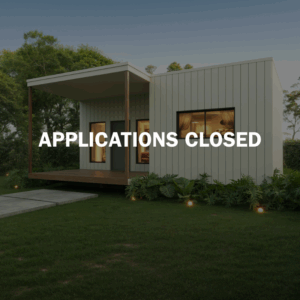
A number of new 1-bedroom units will be available for occupancy from mid-September to mid-October. This self-contained modular home features a generously sized open plan kitchen/dining/lounge space plus outdoor deck. The home includes a private fenced yard and one dedicated car park space in a shared carport. This home is suitable for singles and couples only.
Applications for these homes are now closed.
This self-contained 2-bed modular home features a generously sized open plan kitchen/dining/lounge space plus outdoor deck. The home includes a private fenced yard and one dedicated car park space in a shared carport. This home is suitable for couples and small families only.
Applications for these homes are now closed.
This self-contained 3-bed modular home features an open plan kitchen/dining with separate lounge connected to a large outdoor deck. The home includes a private fenced yard and one dedicated car park space in a shared carport. This home is suitable for couples and small families only.
Applications for these homes are now closed.
Frequently Asked Questions